🏁 Race Weekend Format
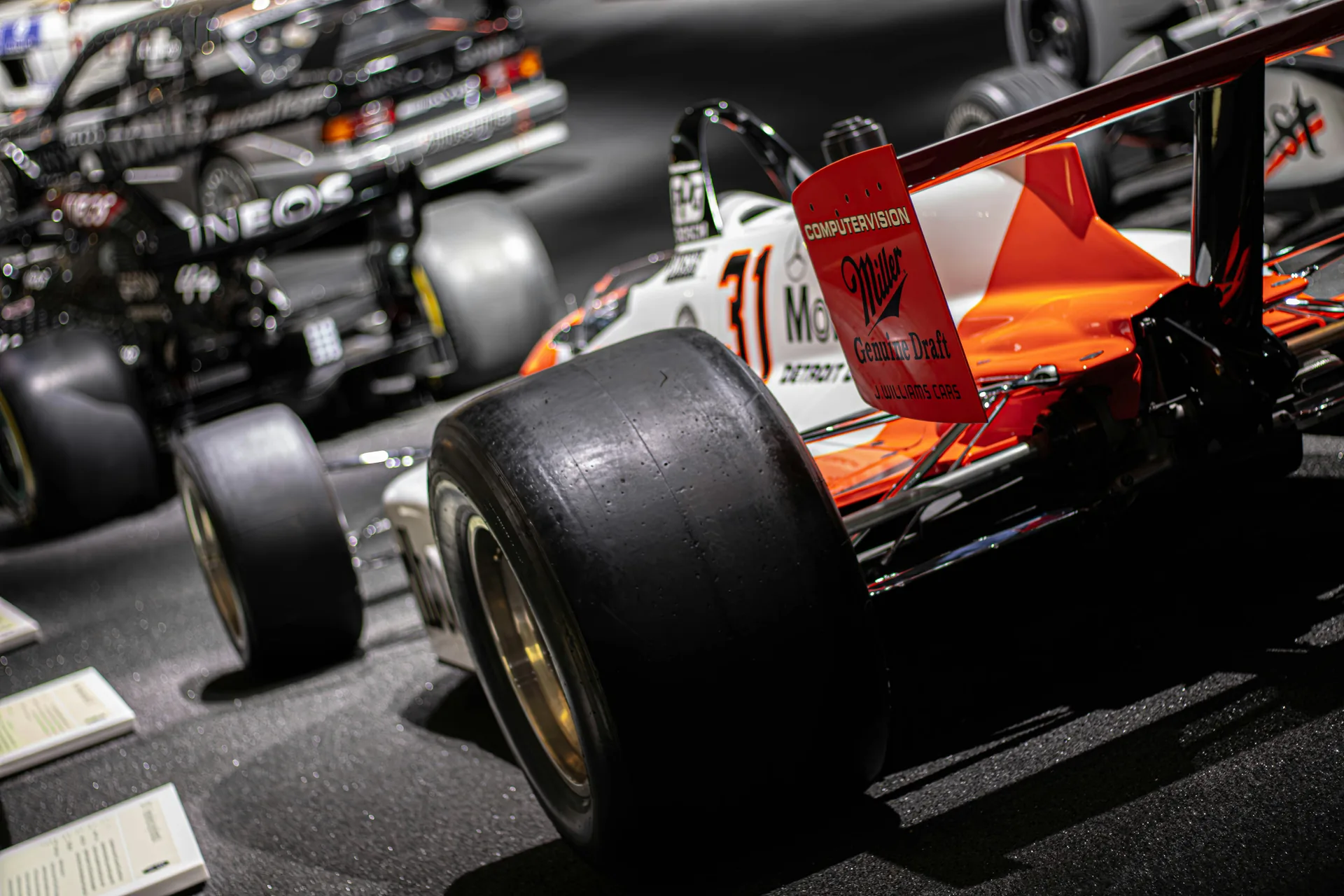
The rhythm of an F1 weekend is a carefully orchestrated sequence.
Practice is for discovery, where drivers and engineers work in sync to find the perfect car balance and understand tyre degradation. Qualifying is for pure, unadulterated speed, a session that rewards bravery and car control above all else. The Race is the ultimate test, combining all elements into a Sunday afternoon showdown for glory.
The weekend mantra — Analyze. Attack. Achieve.
⚙️ Qualifying Structure (Q1–Q3)
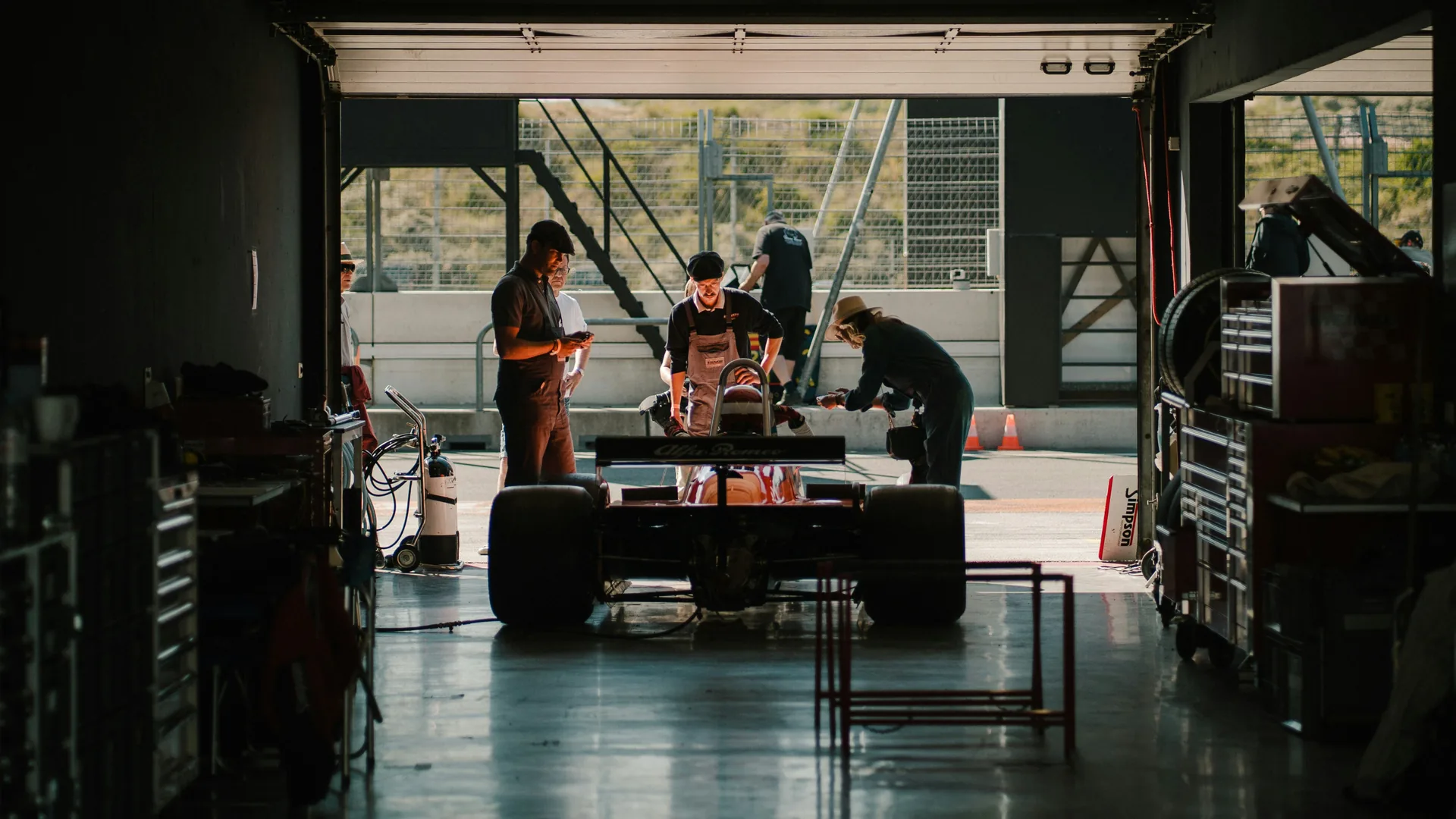
Qualifying is a progressive elimination, increasing the pressure with each session.
Q1: A frantic opening act where traffic management is key; five drivers are eliminated. Q2: The battle tightens, with teams often running on the tyre they will start the race on; five more are out. Q3: A final showdown with minimal fuel for the fastest ten, all aiming for that single lap that secures Pole.
The ultimate test of one-lap pace.
🏎️ Points & Championships
Consistency, not just wins, builds champions.
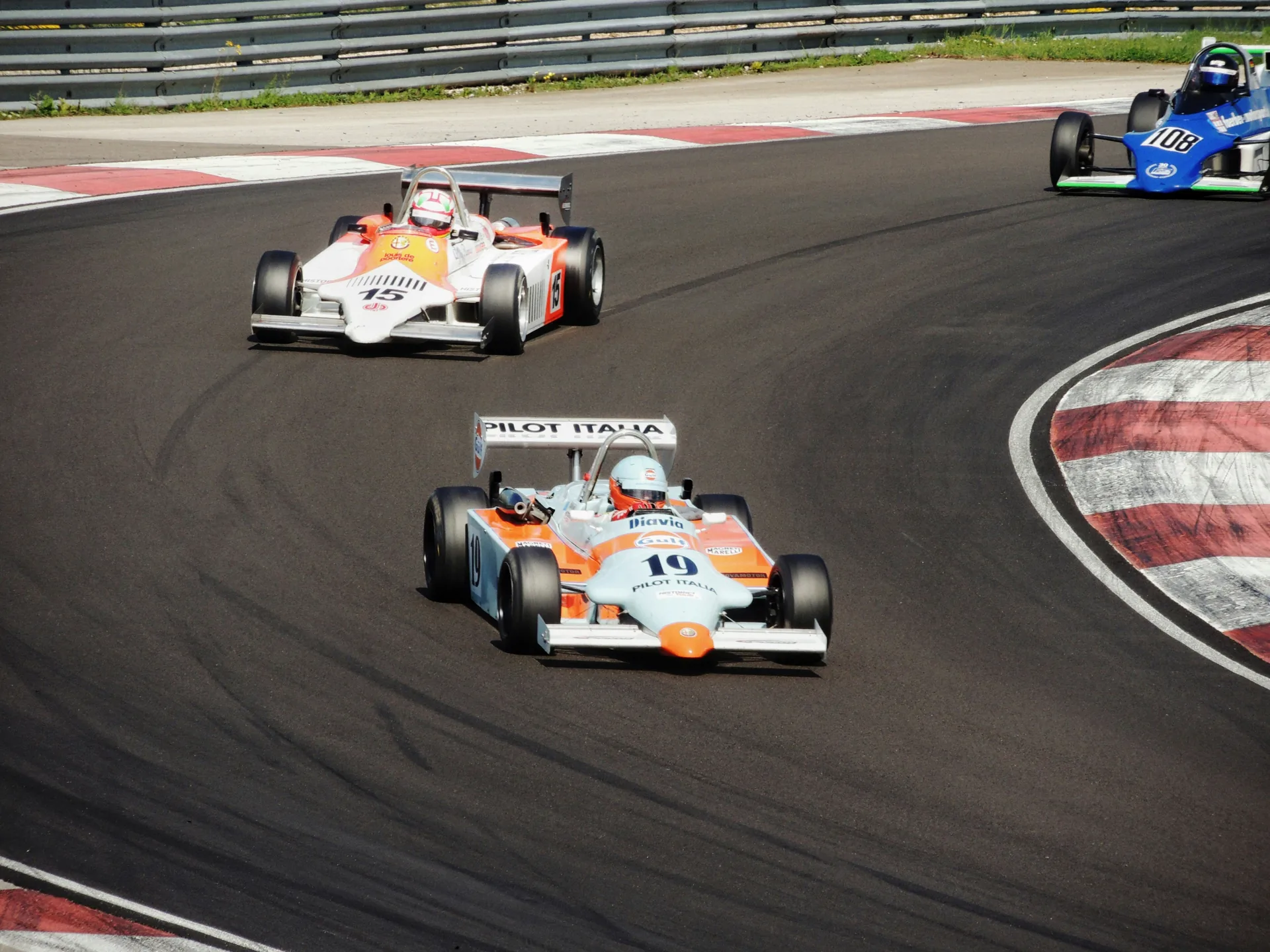
From the race winner to the final point-scorer in P10, every place fought for offers valuable points. The Fastest Lap point adds a late-race tactical twist, encouraging pushes even when the final positions seem settled. These points feed into the two season-long battles: the Drivers' Championship, a personal quest for glory, and the Constructors' Championship, which determines financial rewards and prestige for the teams.
🚦 Pit Stops & Race Safety
Mastering the pit lane is as important as mastering the track.
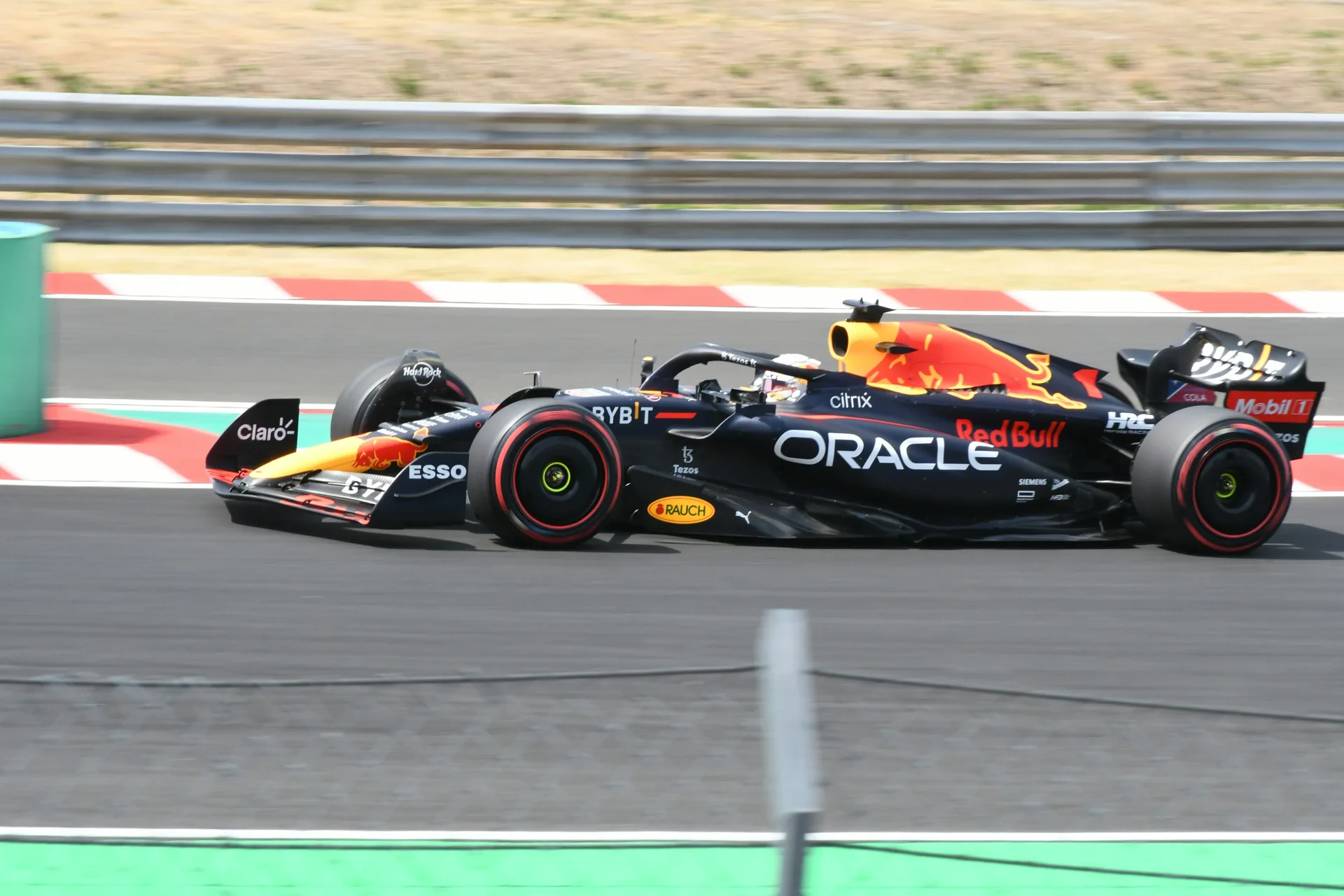
The mandatory pit stop rule for tyres introduces a strategic variable, with teams deciding the optimal lap to switch compounds. A crew's flawless performance during a stop is a masterpiece of coordination. Race control ensures safety with the Safety Car, which bunches the pack and creates opportunities, and the Virtual Safety Car, a digital system that neutralizes the race while maintaining gaps, often thwarting a leading driver's hard-earned advantage.